
Deep Foundation Services in New Albany, Indiana
Some projects need more support than standard footings can provide. Weak soil, heavy loads, water-bearing structures, additions, and public-use buildings can all require deeper foundation planning before the rest of the work can move forward. McRae Enterprises helps owners, developers, municipalities, and operators plan deep foundation work for commercial and industrial projects in New Albany, Indiana. If the ground cannot carry the plan, we help review the site, support needs, schedule, and construction path before below-grade problems control the job.
Clients
Real-Time Client
Access to Job Sites
Foundation Support for Projects With More at Stake
Deep foundations help carry building loads past weak or unstable soil to stronger support below. That may matter when a project has poor subsurface conditions, heavy structural loads, public-use needs, water-bearing structures, or a site that calls for deeper support.
This work should not feel like a mystery to the owner. The goal is simple: understand what the ground can support, what the building needs to carry, and how the foundation work connects to the rest of the project.
At McRae, the goal is to keep foundation planning tied to site development, structural concrete, schedule, budget, and long-term use. That helps owners make better decisions before the building starts coming out of the ground.
Below-Grade Risks That Can Change the Job
Foundation problems can affect more than one phase. A missed soil issue, unclear support need, or late foundation change can shift the budget, slow the schedule, and create problems for site work, concrete, inspections, and trade partners. We help owners look at those risks early so the project has a stronger base before crews begin.
Soil That Cannot Carry the Load
A site may look ready from the surface and still have weak soil, fill, settlement risk, poor bearing capacity, or other hidden limits below grade.
Deep foundation planning helps answer a key question: can the ground support the building, or does the load need to transfer deeper? Getting that answer early helps reduce the chance of redesign, rework, or costly surprises later.
Heavy Structures That Need Deeper Support
Industrial buildings, aquatic facilities, public-use structures, additions, and heavy-use projects may place more demand on the ground than standard support can handle.
We help owners review the building load, site conditions, and construction needs so the foundation approach fits the project instead of creating problems after the plan is already moving.
Foundation Needs Found Too Late
Foundation changes get more expensive when they show up after design, budget, and schedule decisions are already set. Late changes can affect engineering, site prep, concrete, inspections, and trade sequencing.
Our team helps bring foundation review into the project earlier so owners can make better decisions while they still have room to adjust.
Site Work, Concrete, and Foundations Not Lining Up
Deep foundation work cannot sit apart from the rest of construction. Grading, drainage, access, building pads, structural concrete, and field sequencing all affect how the work moves.
We keep those pieces connected so below-grade work supports the larger construction path.
Older Buildings With New Structural Demands
Renovations and expansions can ask more from an existing building than the original structure was built to handle. Added loads, new use, equipment, additions, or site changes may create foundation concerns.
We help owners look for those limits early, before an existing building turns into a field problem.
Deep Foundation Projects McRae Handles
McRae is a strong fit for commercial, industrial, public-use, and specialty projects where foundation support has to connect with the full construction plan. This may include new construction, build-to-suit projects, renovations, expansions, aquatic facilities, and heavy-use structures.
Commercial Site Development
Commercial buildings need a foundation plan that supports the structure, schedule, site, and final use. Offices, medical buildings, retail spaces, restaurants, and public-facing properties all depend on stable support below the finished space. We help owners keep foundation needs tied to the building plan before the job reaches the field.
Industrial and Heavy-Use Facilities
Industrial projects often carry more weight, more movement, and more long-term demand. Warehouses, flex buildings, manufacturing spaces, equipment areas, and storage-heavy facilities may need stronger below-grade support. Our team helps plan foundation support around the site, building load, equipment needs, and future use.
Aquatic and Public-Use Projects
Aquatic and public-use facilities need careful support because the structure must serve people safely over time. Water-bearing structures and community-use spaces leave little room for poor planning. We help connect support needs, field coordination, and clear communication so owners can move forward with more confidence.
Renovations and Expansions
Older buildings often hide conditions that affect the next phase. A new addition, changed use, added equipment, or structural update can create foundation needs that were not part of the original building. We help review those needs before they turn into delays, cost changes, or workarounds.
Build-to-Suit Foundation Planning
A custom facility should start with the site, building load, business use, and growth plan in mind. If the property needs deeper support, owners should know that before the design and budget move too far ahead. We help connect foundation planning with the build-to-suit path so the project starts with better direction.
Why Owners Bring McRae Into Foundation Planning Early
Foundation work gets expensive when teams guess, wait too long, or treat below-grade support as a separate task. Owners need clear scope, steady communication, and a team that understands how early foundation choices affect the full project.
Early Site and Structure Review
A stronger project starts with a clear look at the site and building needs. We review support concerns, access, existing conditions, structural needs, and how the work may affect the rest of construction. This gives owners a clearer view before the plan, budget, or schedule gets too far ahead.
Clear Scope Before Work Begins
Foundation scope should not stay vague. Owners need to know what the work includes, what risks may affect the job, and how changes will be handled if field conditions shift. McRae keeps the scope practical and direct so owners can make decisions with fewer unknowns.
Coordination With Engineers and Trade Partners
Deep foundation work often depends on engineers, site crews, concrete work, inspections, and trade sequencing. If those parts do not stay connected, the owner can face delays and added cost. Our team keeps communication moving so foundation work supports the project instead of slowing it down.
Connection to Site Development and Structural Concrete
Below-grade support affects what happens above it. Building pads, grading, drainage, utilities, slabs, footings, and structural concrete all need to line up with the foundation approach. We keep those connections in view from planning through field work.
Accountability When Problems Happen
If our team causes the problem, we fix it. Clients should not have to carry the cost of a contractor’s error. That matters when foundation work can affect the building, budget, schedule, inspections, and long-term stability.
Real-Time Jobsite Updates
Owners should not have to chase updates. We give clients real-time jobsite access through OxBlue cameras and direct reporting, so they can stay informed while the work moves forward.
18-Month Warranty After Completion
The work still has to perform after the job ends. We stand behind the finished project with an 18-month warranty because owners need confidence after turnover.
Foundation Decisions That Should Be Clear Before Work Starts
Deep foundation work should not begin with unanswered questions. Some details need attention before crews arrive because they affect cost, timing, access, and the rest of construction
Owners need a clear view of:
- What the soil or geotechnical report shows
- What loads the building needs to carry
- Whether standard footings are enough
- What support method the project team requires
- How crews will access the work area
- Whether equipment access creates site limits
- How grading and drainage affect the work
- How foundation support connects with concrete work
- What inspections or approvals may affect timing
- How the team will respond if conditions change
This is where early planning protects the project. Below-grade surprises can affect the whole job, so owners need answers before the schedule starts moving too fast.
How We Keep Foundation Work Connected to the Project
A deep foundation project needs more than specialty work below grade. It needs clear planning, practical coordination, and steady jobsite control.
Review the Project Need
We start by learning what the building, site, and owner need from the foundation system. That may include heavy loads, weak soil, public-use needs, water-bearing structures, additions, or future expansion.
Look at Site Conditions and Access
Our team reviews site limits, access, grading, drainage, building pad needs, and field conditions that could affect the work.
Align Scope, Budget, and Schedule
We help define the work before crews begin, so owners understand what needs to happen and how foundation work may affect the larger schedule.
Coordinate With the Full Construction Path
Foundation work has to connect with site preparation, structural concrete, inspections, trade partners, and field sequencing. We keep those pieces moving together.
Support the Work Through Closeout
We manage the work with direct communication, jobsite leadership, and attention to final details. The goal is stable support below grade and a project that can move forward with fewer surprises.
Deep Foundation Proof From McRae Projects
McRae’s project history includes work where foundation support, site conditions, structural needs, and long-term use all mattered. These projects show why early planning is important when the support below the building has to carry more risk.
Shepherdsville Aquatic Center
Deep foundation work at an aquatic facility requires careful support planning because water-bearing structures and public-use spaces need long-term stability. Projects like this show why below-grade work has to connect with the full construction path.
Olympic Swimming Pool Deep Foundation
Specialty foundation support for a pool project brings more risk than standard building work. The structure, water load, site conditions, and long-term use all need careful coordination before the finished facility can perform as intended.
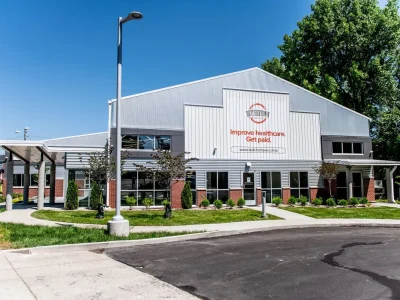
Clinical Trials Building
A repurposing project that required structural reinforcement, upgraded systems, and better use of an existing building. Existing properties often bring hidden support questions that need review before the work moves too far.
Project 4610 | Jeffersonville, IN
An 8.5-acre build-to-suit opportunity near I-265 for industrial and flex users that need strong access, flexible building size, and outdoor storage potential. Projects like this show why site, structure, and future use should shape early foundation planning.
Deep Foundation FAQs
What are deep foundations?
Deep foundations are support systems that transfer building loads below weak or unstable surface soil to stronger ground or rock below. They are often used when standard shallow footings are not enough for the project.
When does a commercial project need deeper foundation support?
A project may need deeper support when the soil is weak, the building carries heavy loads, the site has poor subsurface conditions, or the structure needs stronger long-term support than standard footings can provide.
How are deep foundations different from shallow foundations?
Shallow foundations support the building near the surface. Deep foundations carry loads farther below grade to reach stronger support. The right option depends on soil conditions, building loads, and the project design.
What types of systems can deep foundation work include?
Depending on the project and engineering needs, deep foundation work may include micropiles, helical piers, resistance piers, shoring systems, or other support methods used to transfer loads to stronger ground.
Can this work support industrial buildings?
Yes. Industrial buildings may need deeper support because of equipment, storage, building loads, site conditions, or future expansion needs.
Can deep foundation work be part of a renovation or expansion?
Yes. Renovations and expansions can require new support when the existing structure or site cannot carry the new load or use.
How early should foundation planning happen?
Foundation planning should happen before the scope, budget, and schedule move too far ahead. Early review helps reduce redesign, delays, and cost changes.
Does this work connect with structural concrete?
Yes. Deep foundation work often connects with footings, slabs, building pads, grade beams, and other structural concrete needs. Keeping those items aligned helps the project move with fewer issues.
Can McRae help with public-use or aquatic projects?
Yes. We have experience with deep foundation work tied to aquatic and public-use projects where long-term support, safety, and coordination matter.
Does McRae serve areas outside New Albany?
Yes. We are based in New Albany, Indiana and serve commercial and industrial clients across Southern Indiana and Kentucky.
Deep Foundation Service Areas
McRae Enterprises is based in New Albany, Indiana and serves deep foundation clients across Southern Indiana and Kentucky.
Indiana Service Areas
Protect the Project Below the Surface
Deep foundation work protects the project before the building ever comes out of the ground. The right plan can reduce late surprises, support the structure, and keep site work, concrete, and construction moving in the same direction. If you are planning a commercial, industrial, public-use, aquatic, build-to-suit, renovation, or expansion project in New Albany, Southern Indiana, or Kentucky, McRae Enterprises can help you review the foundation needs early and move forward with stronger control.