
Structural Concrete Services in New Albany, Indiana
Concrete problems are expensive because everything else depends on them. A weak slab, poor foundation detail, missed load need, or loose work plan can affect the building, the schedule, the equipment, and the way the space works every day. McRae Enterprises helps owners, developers, and operators plan structural concrete for commercial and industrial projects in New Albany, Indiana. If you need a commercial concrete contractor for slabs, foundations, footings, pads, loading areas, or concrete tied to a larger build, we can help you make better decisions before the pour becomes a problem.
Clients
Real-Time Client
Access to Job Sites
Concrete That Carries More Than the Building
Structural concrete is not just another task on a commercial project. It affects how the building stands, how the floor performs, how equipment moves, how other trades work, and how the finished space holds up after turnover.
We plan slab and foundation work around the real use of the facility. A warehouse floor, loading dock, medical build-out, equipment pad, office foundation, and industrial slab do not carry the same demands. Each one needs the right review before crews start setting forms or placing material.
For owners in New Albany, Southern Indiana, and Kentucky, our focus is clear: help the concrete support the building, the business, and the way people will use the property after the job is complete.
Where Concrete Mistakes Hit the Budget
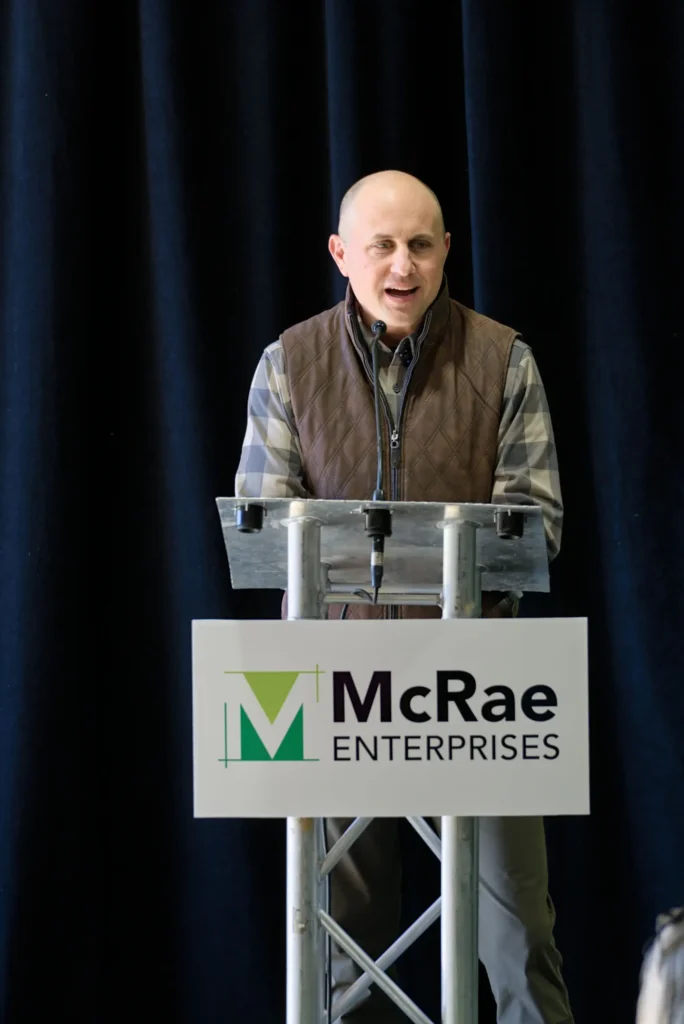
Concrete issues rarely stay in one place. A missed detail can slow other trades, create repair work, affect equipment, or make the finished space harder to use. We help owners look at those risks before they turn into jobsite delays, change orders, or repairs after opening.
Slabs Built for the Wrong Daily Use
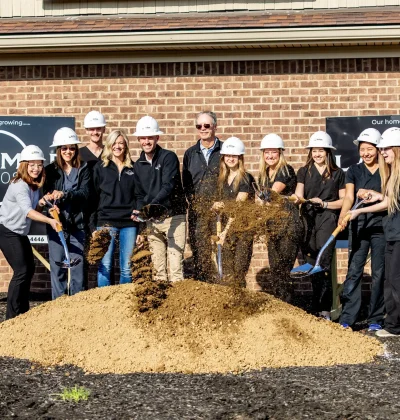
A slab for light foot traffic is not the same as a slab that supports forklifts, racks, equipment, storage, production, or heavy movement. If the floor does not fit the operation, the business can deal with cracks, uneven spots, joint issues, and costly repairs later. For warehouse and industrial users, the slab has to support forklifts, pallet movement, racks, equipment, loading areas, and high-traffic paths. We help owners think through those needs early, so the floor can support the work after turnover.
Foundation Details That Get Rushed
Commercial concrete foundations and footings have to support the building, site conditions, and future use. Poor planning at this stage can create problems that are much harder to correct later.
Our team keeps foundation work connected to the building plan, grading, drainage, site preparation, structural needs, and deeper support when a project calls for it.
Concrete Work That Holds Up Other Trades
Slab and foundation work can affect steel, walls, utilities, mechanical systems, electrical work, plumbing, finishes, access, and final turnover. If the scope stays unclear, one missed step can create delays across the job.
We help coordinate footings, pads, slabs, formed areas, and related details with the larger construction schedule so the project does not lose time because the concrete plan was too loose.
Older Buildings With Hidden Slab Conditions
Renovations and adaptive reuse projects often carry unknowns. Old slabs, uneven floors, weak areas, outdated support, or structural limits can show up after the work begins.
We help owners review existing conditions early, so new concrete work, reinforcement, or slab changes support the new use instead of creating more disruption.
Cheap Numbers That Leave Out the Real Work
The lowest concrete number can become expensive if it misses load needs, site conditions, drainage, access, joint layout, equipment pads, or future use.
We help owners compare the work clearly, not just the price. That gives the project a stronger start and helps reduce costly surprises.
Concrete Work McRae Handles for Commercial and Industrial Projects
McRae is a strong fit for projects where concrete has to support the building, site, schedule, and daily operations. Our team handles structural concrete as part of the full job, not as an isolated task.
Commercial Foundations and Footings
Office, medical, retail, restaurant, and public-facing projects need foundation work that supports the building and schedule from the start. We help owners plan footings, slabs, and load-bearing concrete around the way the finished space will be used.
Warehouse and Industrial Slabs
Warehouse and industrial slabs need to handle more than square footage. They may support forklifts, storage racks, pallet movement, loading areas, equipment, and high-traffic paths. We help plan industrial slab work around movement, load needs, traffic areas, and daily wear, so the floor can support the operation after turnover.
Concrete for Build-to-Suit Facilities
A build-to-suit facility needs concrete that fits the operation from day one. That may include slab needs, equipment pads, loading areas, utility planning, storage zones, and future expansion. We help connect those needs before the project moves too far ahead, so the building can support the business instead of forcing workarounds later.
Concrete for Renovations and Expansions
Existing buildings often need new concrete work, slab changes, structural reinforcement, or support for a different use. These projects need careful planning because the old building may not match the new business needs. We help owners work through those conditions so the concrete plan supports the renovation, expansion, or repurposed space.
Exterior Concrete Tied to Site Use
Loading areas, service zones, equipment pads, access points, and high-use exterior areas affect how the property works every day. These areas need more than a clean finish. Our team helps plan exterior concrete around traffic, drainage, site flow, loading, service access, and years of daily use
Why Owners Bring McRae Into Concrete Planning Early
Slab and foundation work can affect the whole job. Owners need a team that connects the structure, site, schedule, budget, and building use before small misses become expensive.
Concrete Planned Around Building Use
We start with how the space needs to work. That may include equipment, storage, foot traffic, forklifts, loading, support needs, or a new use inside an older building. This helps owners avoid concrete decisions that only look good on paper but fail under daily use.
Clear Scope Before the Pour
A vague scope can lead to change orders, delays, and rework. We help define the work early, so owners understand what the project includes before crews begin. That includes slab needs, foundation work, pads, access points, site conditions, and coordination with the rest of the construction.
Coordination With the Larger Project
Concrete touches many parts of the job. Site preparation, grading, drainage, utilities, steel, mechanical work, electrical work, plumbing, finishes, and closeout can all depend on it. Our team keeps those pieces connected so the concrete work supports the schedule instead of slowing it down.
Accountability When Problems Happen
If our team causes the problem, we fix it. Clients should not have to carry the cost of a contractor’s error. That matters with structural concrete because one missed detail can affect the building, budget, schedule, and final use of the space.
Real-Time Jobsite Updates
Owners should not have to chase updates. We give clients real-time jobsite access through OxBlue cameras and direct reporting, so they can stay informed while the work moves forward.
18-Month Warranty After Completion
The finished work still has to perform after turnover. We stand behind the project with an 18-month warranty because owners need confidence after the job is complete.
Concrete Decisions That Should Not Wait
Some choices cost far less when owners make them before crews arrive. These are the concrete decisions that should be clear before the pour, not after the job is already moving.
Owners should review:
- How the slab will be used every day
- What equipment, storage, or traffic the floor must support
- Where loading, access, and service areas need stronger planning
- How grading and drainage connect to concrete work
- Whether the project needs pads, footings, walls, or slab changes
- How older building conditions could affect the scope
- Which trades depend on the concrete schedule
- How the work should support future expansion
This is where early planning protects the budget. A better review before the pour can prevent rework, jobsite delays, and concrete that does not match the building’s real use.
How We Keep Concrete Work Tied to the Job
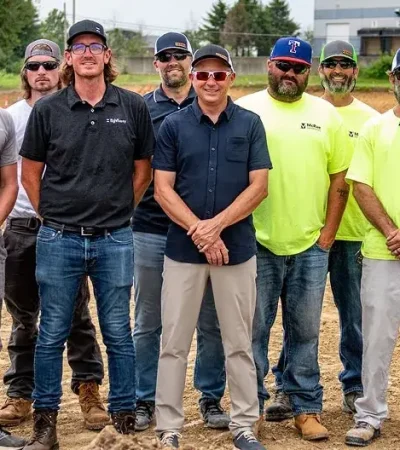
We keep the process practical and connected to the full project. Each step helps owners reduce uncertainty before concrete work affects the schedule, trades, and final use of the building.
Review the Building Use
We start by learning how the space needs to function. That may include warehouse storage, production, equipment, office use, medical space, loading, public access, or future expansion.
Identify Slab, Foundation, and Site Needs
Our team reviews the slab, foundation, footings, pads, site conditions, access points, drainage, and any existing conditions that could affect the work.
Align Scope, Budget, and Schedule
We help define the work so owners understand what needs to happen before crews begin. This helps reduce guesswork and gives the project a stronger path forward.
Coordinate With the Jobsite
Concrete work has to connect with the rest of the construction. We keep the work aligned with site preparation, utilities, steel, mechanical, electrical, plumbing needs, trade sequencing, and jobsite conditions.
Complete the Work and Support the Project
We manage the work with direct communication, steady jobsite leadership, and attention to final details. The goal is concrete that supports the slab, foundation, equipment, access points, traffic areas, and the way the facility will be used after turnover.
Project Examples Where Structure, Site, and Use Had to Line Up
Structural concrete rarely stands alone. It connects to the site, the building, the schedule, and the way the space will work after turnover. McRae’s project history shows why early planning matters when older buildings, public-use spaces, build-to-suit sites, and business-driven projects all need different types of support.
Project 4610 | Jeffersonville, IN
An 8.5-acre build-to-suit opportunity near I-265 for industrial and flex users that need strong access, flexible building size, and outdoor storage potential. Projects like this show why slabs, site use, loading, storage, and future growth need early planning.
Clinical Trials Building
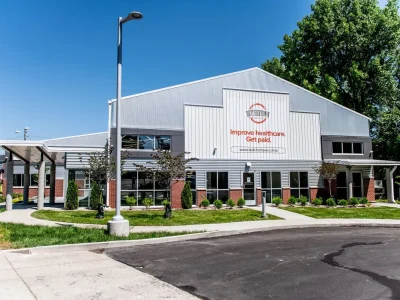
A repurposing project that required structural reinforcement, upgraded systems, and better use of an existing building. This type of work shows why concrete and structural planning matter when an older property has to support a new use.
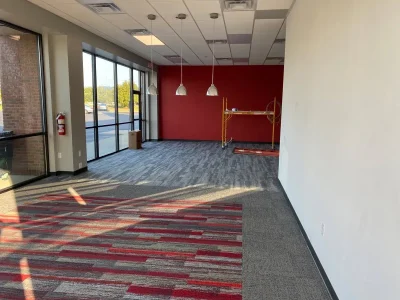
Indiana Farm Bureau
A tenant fit-up that turned a former food-service space into a practical office environment ready for daily use. Existing conditions, layout needs, and building changes all required careful coordination.
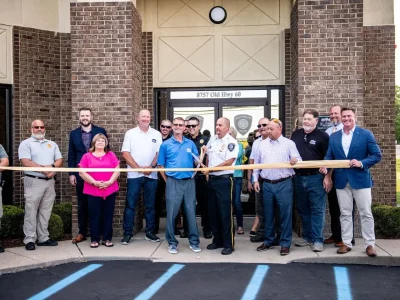
Sellersburg Police Department
A public-sector project delivered on time and on budget under real schedule pressure. Work like this depends on coordination, accountability, and building components that hold up after turnover.
Structural Concrete FAQs
What is structural concrete?
Structural concrete is load-bearing concrete that helps support a building, slab, foundation, wall, footing, pad, or another key part of a commercial or industrial project.
How is structural concrete different from regular concrete?
Regular concrete may refer to basic flatwork or non-structural surfaces. Structural concrete carries weight, supports building systems, or helps the facility handle daily use, equipment, traffic, and long-term demands.
What types of commercial concrete work do you handle?
We can support concrete work tied to commercial foundations, slabs, footings, pads, loading areas, renovations, expansions, build-to-suit projects, and industrial facilities.
Can McRae help with concrete for industrial buildings?
Yes. We help owners plan concrete for warehouse, flex, manufacturing, and industrial spaces where slabs, loading areas, equipment pads, and traffic paths need stronger planning.
Can structural concrete be part of a renovation?
Yes. Renovations may need slab changes, new pads, structural reinforcement, or concrete work tied to a new building use. Early review helps identify those needs before the project moves too far ahead.
When should concrete planning happen?
Plan concrete early, before the scope, schedule, and budget move too far ahead. Early input helps reduce change orders, delays, and missed load or site needs.
Does McRae coordinate concrete with site development or deep foundations?
Yes. We can help keep concrete work connected to site preparation, grading, drainage, building pads, foundation needs, and other parts of the larger project.
Does McRae serve areas outside New Albany?
Yes. We are based in New Albany, Indiana and serve commercial and industrial clients across Southern Indiana and Kentucky.
What happens after the concrete work is complete?
We support the next phase of construction, handle final details tied to our work, and stand behind the finished project with an 18-month warranty.
Where We Provide Structural Concrete Work
McRae Enterprises is based in New Albany, Indiana and serves commercial and industrial structural concrete clients across Southern Indiana and Kentucky.
Indiana Service Areas
Plan the Concrete Before It Controls the Project
Concrete decisions can affect the building long after crews leave. Slabs, foundations, footings, pads, loading areas, and exterior service zones all need planning that matches the way the facility will be used. If you are planning a commercial, industrial, warehouse, flex, build-to-suit, renovation, or expansion project in New Albany, Southern Indiana, or Kentucky, McRae Enterprises can help you plan structural concrete that supports the building, schedule, and daily use of the property.