
Light Industrial Construction Services in New Albany, Indiana
Your business may not need a massive industrial plant. It may need a practical building with offices, shop bays, storage, truck access, loading, yard room, and room to grow. McRae Enterprises helps owners, developers, operators, service companies, warehouse users, contractors, and small manufacturers build working facilities in New Albany, Indiana. If you need a light industrial contractor who understands trucks, crews, tools, materials, office support, and future growth, we can help plan the building around the way the company runs.
Clients
Real-Time Client
Access to Job Sites
More Than an Office. Less Than a Heavy Plant.
Light industrial construction fits businesses that need more than a standard office but less than a heavy production plant. These facilities often combine offices, warehouse areas, shop bays, loading, storage, yard use, and service work in one property.
That mix has to make sense. The office side cannot feel cut off from the shop. Storage cannot swallow the work area. Trucks need enough room to enter, turn, load, and leave. Crews need a clean start to the day. Materials need a place that does not block the work.
At McRae, this service is about building a place that helps the business move, store, load, dispatch, repair, assemble, and grow without fighting its own layout.

Where the Workday Gets Slowed Down
A facility can have plenty of square footage and still hurt the operation. The problem is often not the size of the building. The problem is how trucks, people, storage, loading, shop work, and office support fit together.
Trucks and Crews Fight the Same Ground
Problems show up fast when staff parking, delivery trucks, trailers, vendors, and crews all compete for the same tight areas.
Drive lanes, loading zones, service entries, trailer parking, and yard access need more than a quick sketch. If vehicles cannot move cleanly, loading takes longer, crews wait, materials land in the wrong spot, and the day starts behind.
Storage Takes Over the Shop
Tools, parts, pallets, equipment, inventory, and raw materials all need a planned place. When storage gets treated as leftover room, it spreads into work bays, drive lanes, loading zones, and service areas.
A better office-warehouse plan gives storage a job. It keeps materials close enough to use without letting them block people, trucks, or production.
The Office and Shop Feel Disconnected
Many light industrial buyers need office and warehouse space in the same building. That can work well when dispatch, supervision, customer entry, staff areas, and shop access fit the same day of work.
If the office sits in the wrong place, staff lose time. If the shop lacks office support, crews waste steps. If visitors and vendors enter through the wrong path, the building creates friction before the work even starts.
The Yard Was Treated Like Leftover Land
For service companies, contractors, fleet users, and warehouse operators, the yard can matter as much as the building.
Outdoor storage, trailers, trucks, gates, drainage, paving, lighting, security, snow access, and loading all need attention. A bad yard layout can slow the business before work reaches the door.
Growth Gets Blocked Too Soon
A new facility should not solve today’s problem by creating the next one. More crews, larger inventory, added trucks, new equipment, extra office staff, or another loading point may come sooner than expected.
That is why a working facility needs room to adapt. Expansion room, flexible bays, yard capacity, utility planning, and smarter access can keep the building useful longer.
Buildings McRae Builds for Light Industrial Users
McRae builds and improves facilities for owner-users, developers, warehouse tenants, trade companies, logistics teams, service firms, and smaller production groups that need office, shop, storage, loading, and yard needs to work together.
Office-Warehouse Buildings
An office-warehouse building gives a company one place for admin work, staff support, storage, service, shipping, and daily operations. The connection between the office and the working side of the building matters. People, parts, paperwork, visitors, and crews all need a path that makes sense.
Flex Buildings
Flex buildings need to work for more than one use. A tenant may need more office space today, more storage next year, or a bigger shop later. For developers and owner-users, a flex facility should stay useful as trucks, equipment, staff, inventory, and tenant needs change. Bay layout, access, parking, loading, and utilities need careful thought.
Contractor and Service Facilities
Trade contractors and service companies need a home base that keeps crews, tools, vehicles, and materials ready. That may include office support, dispatch, service bays, parts rooms, secure yard areas, and loading points. The building should help crews leave faster, return cleaner, and keep work organized.
Warehouse and Distribution Facilities
Warehouse construction in New Albany needs more than open floor area. Receiving, storage, picking, staging, loading, shipping, parking, and truck movement all affect how well the place works. We help owners plan warehouse and distribution space where materials move with less friction from delivery to storage and back out again.
Light Manufacturing and Assembly Areas
Small production, assembly, repair, packaging, and equipment-based work need the right mix of shop floor, storage, utilities, staff areas, and loading. The building should match the order of work. Equipment placement, material staging, finished goods, and shipping paths should support the process instead of slowing it down.
Fleet and Equipment Support Buildings
Fleet-based businesses need room for vehicles, trailers, equipment, parts, staff, and service flow. Parking alone will not solve that. A fleet facility may need secure yard space, wider movement paths, shop access, wash or service areas, storage, and office support that keeps the operation moving.
Build-to-Suit Light Industrial Facilities
A build-to-suit path makes sense when available buildings do not fit the operation. The property, layout, yard, offices, warehouse area, and growth plan can be shaped around the work from the start. That gives owners a better chance to avoid a building that forces workarounds on day one.
Plan the Yard Like Part of the Building
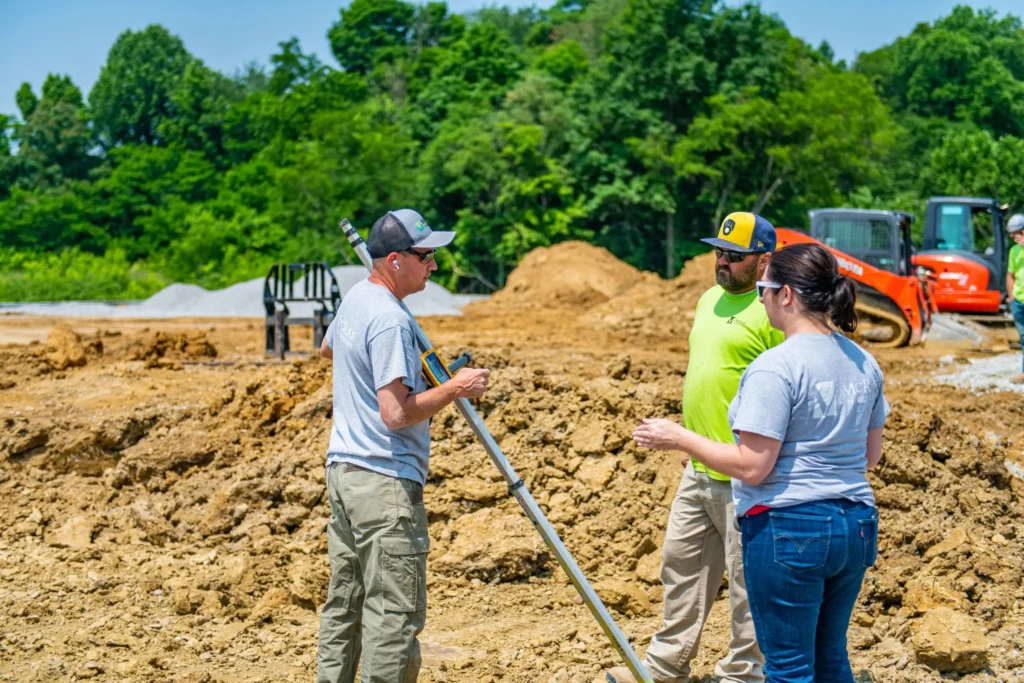
Many light industrial projects fail outside first. The building may look right, but the yard cannot handle trailers. Trucks may block parking. Outdoor storage may crowd the drive lanes. Loading may slow every delivery.
Before the first truck arrives, the plan needs to show how vehicles enter and leave, how crews load, where inventory grows,
how the office supports dispatch, and whether the yard can handle trailers, storage, gates, and parking.
More square footage will not fix a bad flow, a tight yard, or a loading area that slows every delivery. The property needs to work from the street to the shop floor.
PEMB and Metal Building Options When They Fit
A pre-engineered metal building, often called a PEMB, can give owners open interior room, faster delivery, durable structure, and flexible layouts when the project fits that system.
McRae’s Nucor Building Systems relationship supports this type of work for owners who need strong, adaptable buildings without making the project more complicated than it needs to be.
PEMB construction can fit office-warehouse buildings, contractor facilities, storage buildings, fleet-support spaces, and build-to-suit industrial-flex projects. The key is fit. The building system needs to match the site, loading needs, yard use, office support, and future growth plan.
Light Industrial Proof From McRae Projects
Light industrial buyers need proof that the team understands more than the shell. The building has to support access, storage, workflow, growth, and the way the business uses the property.
CRS Headquarters
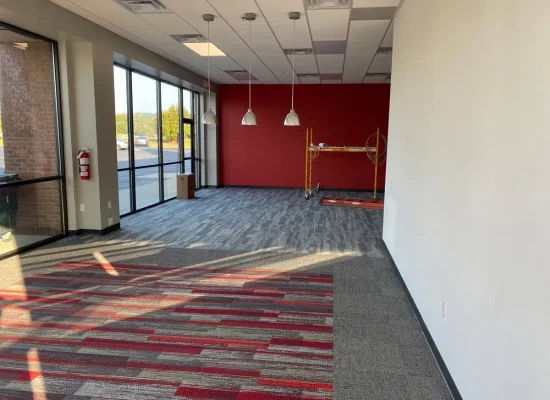
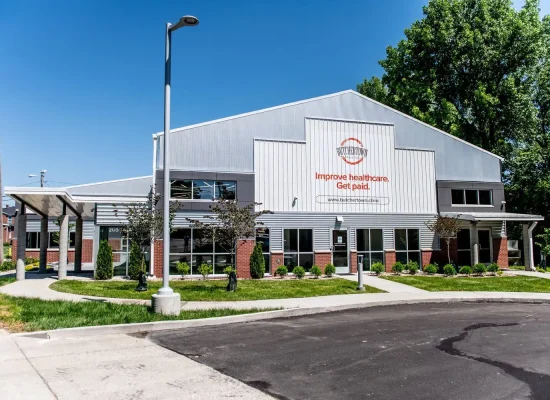
CRS Headquarters shows how a custom PEMB can support office layouts, warehouse integration, flexible operations, and future growth. The project included Nucor steel components, warehouse space, office support, energy-efficient features, and a schedule focused on getting the facility ready for use. This is the kind of work where office, warehouse, systems, and growth planning have to fit inside one building.
Project 4610 | Jeffersonville, IN
Project 4610 is an 8.5-acre build-to-suit opportunity near I-265 for industrial and flex users. The site is planned for flexible building sizes, strong access, and outdoor storage potential. For light industrial buyers, this type of project matters because access, yard room, building size, loading, and future use can decide whether the property works after the first tenant or owner moves in.
Light Industrial Construction FAQs
What is light industrial construction?
It is construction for buildings that support storage, service work, light production, distribution, offices, shop areas, loading, and yard needs. These buildings do more than a standard office but do not carry the same demands as a heavy plant.
How is it different from heavy industrial construction?
A light industrial facility often supports warehousing, service companies, small manufacturing, assembly, fleet use, contractor operations, or office-warehouse work. Heavy industrial projects usually involve larger plants, heavier systems, and more complex production needs.
Can the building include office space?
Yes. Many of these facilities include offices, meeting rooms, staff areas, dispatch areas, customer entry points, or admin space connected to warehouse, shop, storage, or service areas.
What is an office-warehouse building?
It combines office use with storage, shop, shipping, receiving, or warehouse work. It fits service companies, distributors, contractors, and owner-users that need admin and operations under one roof.
Can McRae build flex buildings?
Yes. We can help owners and developers plan flex buildings for office, warehouse, service, storage, and small industrial users. A good flex project should support different needs without becoming too generic.
Do these projects need yard and truck planning?
Yes. Yard layout, truck access, trailer parking, loading zones, drive lanes, outdoor storage, and staff parking can all affect how well the property works.
Can a PEMB work for this type of facility?
Yes. A pre-engineered metal building can work well for many warehouse, office-warehouse, shop, storage, fleet, and service facilities when the system matches the site and business needs.
What types of businesses use these buildings?
Common users include service companies, trade contractors, distributors, warehouse operators, fleet-based businesses, small manufacturers, repair companies, logistics groups, and owner-users that need office plus work areas.
When should I bring in a contractor?
Bring in a contractor before the site, layout, building size, yard plan, loading plan, or budget gets locked in. The best time to fix flow problems is before they become part of the building.
Does McRae serve areas outside New Albany?
Yes. We are based in New Albany, Indiana and serve light industrial clients across Southern Indiana and Kentucky.
Where We Build Light Industrial Facilities
McRae Enterprises is based in New Albany, Indiana and serves light industrial, warehouse, flex, office-warehouse, service facility, and contractor facility clients across Southern Indiana and Kentucky.
Indiana Service Areas
Build a Facility That Stops Slowing the Business Down
The right working building should help trucks move, crews load faster, storage stay organized, office support stay close to the work, and the business grow without fighting the property. If you are planning an office-warehouse building, flex facility, contractor shop, service facility, warehouse, fleet-support property, light manufacturing space, or build-to-suit project in New Albany, Southern Indiana, or Kentucky, McRae Enterprises can help you plan the building around trucks, crews, tools, storage, loading, office work, and growth.